Couples Counseling in Albuquerque, NM
Every couple hits rough patches. If yours has lasted longer than you thought it would, you're not alone — and you're not too far gone. Evidence-based couples counseling in Albuquerque and online throughout New Mexico, including EFT (Emotionally Focused Therapy), for couples in every stage from dating to long-married.
Most Insurances Accepted

Couples Counseling in Albuquerque, NM
Every couple hits rough patches. If yours has lasted longer than you thought it would, you're not alone — and you're not too far gone. Evidence-based couples counseling in Albuquerque and online throughout New Mexico, including EFT (Emotionally Focused Therapy), for couples in every stage from dating to long-married.
Most Insurances Accepted
Introduction - You Both Deserve to Feel Heard
You know the feeling: the same argument, the same tone of voice, ending the same way. Or the opposite — no arguments at all, just a distance you can't quite name. Sex is different. Weekends feel like managing logistics with a roommate. You catch yourself editing what you say to avoid setting them off, or feeling like they've stopped really listening to you.
You've probably tried the obvious things. Date nights that felt forced. Books you started and didn't finish. Well-meaning advice from friends and family that didn't quite fit. What you're describing usually isn't something couples can logic their way through alone — because the patterns are older than either of you realize, and they run deeper than most communication tips reach.
That's what couples counseling is for. At Rise Above Therapy, our therapists are trained in evidence-based approaches specifically for relationships — including Emotionally Focused Therapy (EFT), which has the strongest research base for helping couples reconnect. We work with couples in every stage: dating, engaged, newly married, long-married, blended, and in crisis. Whether you're trying to save a relationship, strengthen a healthy one, or figure out what to do next — we can help.
Common Reasons Couples Seek Counseling
What It Looks Like When a Relationship Needs Support
Couples don't usually come in because of one dramatic event — most come in because of quiet patterns that have built up over years. Some of the most common presentations we hear:
The Argument That Keeps Happening
Same fight, different day. You could recite each other's lines. It might start over something small — the dishwasher, the calendar, a look — and end in the same place: hurt, disconnected, and no closer to solving anything. You've tried to talk about it a dozen times and it never actually resolves.
The Growing Distance
Not fighting, exactly. Just... quiet. You share a house, a bed, a life — but not much of each other anymore. Conversation is mostly logistics. You've stopped reaching for their hand or asking about their day in a real way. You wonder if they've noticed, or if they even care.
The Trust You're Not Sure You Have
Something happened — an affair, a betrayal, a lie, a broken promise — or a slow accumulation of small things. Even when they're doing everything right now, you can't quite let your guard down. You check their phone or hate that you want to. They feel like they can never do enough to earn back what was lost.
The Roommate Feeling
You're partners in raising kids, running a household, managing family logistics — and that's about it. Physical intimacy has faded or feels like an obligation. Emotional intimacy feels like a luxury you can't remember how to access. You wonder if this is just what long-term relationships become.
The Silent Resentment
You don't say the things you're actually thinking. Small irritations pile up because bringing them up feels like starting a fight. Then one day something small triggers a disproportionate reaction and you're both blindsided by how much was underneath it.
The Uncertainty About the Future
One of you is ready to leave. Or both of you are. Or neither of you knows what you want. You're not sure if you should try harder, try differently, or try to end things kindly. You need help making a decision instead of just staying stuck.

Situations We Help Couples Work Through
Couples come to us at many different stages and for many different reasons. Some of what we work with:
Communication and Conflict Patterns
-Circular arguments that never resolve
-One partner shuts down while the other pursues
-Escalating conflict that leaves both feeling worse
-Difficulty being heard without becoming defensive
-Learning to fight fair — and to repair after conflict
Trust and Betrayal
-Recovering from an affair (emotional or physical)
-Financial infidelity
-Broken agreements or repeated lying
-Rebuilding trust after a serious breach — or navigating whether it can be rebuilt
-Loss of trust from long-term unmet needs
Intimacy and Connection
-Feeling more like roommates than partners
-Differences in sexual desire or expression
-Physical intimacy that feels obligatory
-Emotional distance that has crept in over years
-Reconnecting after a period of prioritizing kids, work, or crisis
Life Transitions
-Newly cohabiting or married
-Becoming parents (or trying to)
-Postpartum stress on the relationship
-Job loss, career change, or major move
-Empty nest, retirement, aging parents
-Any transition that shifted the balance of your relationship
Blended Family and Parenting
-Blended family dynamics (step-parenting, ex-partners, co-parenting)
-Parenting disagreements about discipline, screens, education
-Feeling like a team about parenting again
-Navigating adult children or in-laws
Trauma Impact on Relationships
-One partner's trauma affecting the relationship
-Trauma responses (shutdown, hypervigilance, anger) that get misread as personal
-Attachment wounds from earlier life showing up between you
-Rebuilding safety after relationship trauma
Discernment Counseling
When one partner is leaning out and the other is leaning in — and neither of you is sure whether to fully commit to therapy or to separation. Discernment counseling is a structured, short-term (up to 5 sessions) format specifically for couples in this "should we or shouldn't we" moment.

How We Approach Couples Work
Couples therapy is different from individual therapy. It requires specific training in relationship systems, not just talking to two people at once. Our therapists use evidence-based couples-specific modalities:
Emotionally Focused Therapy (EFT)
The most well-researched couples therapy in existence — with studies showing roughly 70-75% of couples recover from relationship distress. EFT helps you understand the emotional patterns underneath your conflicts (the pursue-withdraw cycle, the criticize-defend cycle) and rebuild the emotional bond that makes a relationship feel safe. Most effective for couples where connection has faded or conflict has become circular.
Gottman Method
Based on Dr. John Gottman's 40+ years of research on what makes marriages work. Uses specific tools for managing conflict, deepening friendship, and creating shared meaning. Especially effective for couples who want practical, skills-based tools.
Cognitive Behavioral Couples Therapy (CBCT)
Helps identify and change the thought patterns and behaviors that drive relationship distress. Useful for couples dealing with specific behavioral patterns (like criticism, withdrawal, or reactive anger) that both partners want to change.
Trauma-Informed Couples Therapy
When one or both partners bring trauma histories into the relationship, standard couples therapy often isn't enough. Trauma-informed couples work addresses how past experiences shape current relational patterns — including attachment wounds, hypervigilance, or shutdown responses that get misread as being about the partner.
Discernment Counseling
A specific, short-term (up to 5 sessions) protocol for couples where one partner is considering leaving. Goal is not to save the marriage — it's to help both partners get clarity about the right path forward.
Communication Skills and Conflict Resolution
For couples who need concrete, learnable tools for the day-to-day: how to bring up hard topics without triggering defensiveness, how to repair after conflict, how to hear each other without shutting down. Often woven into other approaches.
Couples Counseling at Every Stage
Dating Couples
Early relationship work — building healthy communication patterns before they calcify. Deciding whether to commit. Meeting each other's families. Navigating the first real conflicts.
Premarital Counseling
Structured work before marriage to build the skills and shared understanding that predicts marital success. We cover communication, conflict repair, expectations about children, money, sex, families of origin, and long-term vision. Many faith communities and jurisdictions offer benefits for couples who complete premarital counseling.
Newly Married Couples
The first 1-3 years of marriage bring specific challenges: merging finances and households, negotiating extended family, and the reality that "in-love" transitions into a deeper (and sometimes bumpier) kind of love. Early therapy prevents small issues from becoming entrenched patterns.
Long-Term Married Couples
Couples who've been together 10, 20, 30+ years often present with different challenges: the roommate feeling, distance that crept in around kids or careers, wondering how to reconnect now that the acute demands have shifted. Therapy at this stage is often about rediscovering each other.
Couples in Crisis or Post-Affair
Whether you've discovered an affair, are in the middle of one, or dealing with a serious betrayal, structured affair recovery work can help. Not all couples come through affair recovery still together — and either outcome can be handled with care and integrity.
Blended Families
Second marriages with children from previous relationships bring specific dynamics that first-marriage frameworks don't fully address. We work with blended-family couples on step-parenting, co-parenting with ex-partners, and holding your marriage as the anchor of a complicated family system.
LGBTQ+ Couples
Our therapists provide affirming, competent care for LGBTQ+ couples — including work with same-sex married and unmarried couples, non-monogamous couples, and couples navigating transition or coming out.
What Couples Counseling Actually Looks Like
Your first call (15 minutes, free). You call or book online — either partner can make the initial contact. We match you with a therapist based on your concerns, insurance, and scheduling.
Session 1 (60-90 minutes). Both partners together. Your therapist listens to each of you separately within the joint session, gets a picture of the relationship history, and helps you clarify what you want to work toward. No one gets diagnosed or blamed on day one.
Sessions 2-4 (Assessment). Some couples do one or two individual sessions with the therapist here to share history without their partner present. Then you come back together and the therapist shares an initial map of the patterns you're stuck in.
Sessions 5-15 (Core Work). Depending on your goals and the approach, this is where change happens — learning new communication patterns, processing hurt, rebuilding trust, or reconnecting emotionally. Many couples notice meaningful shifts within these sessions.
Beyond. Some couples wrap up around session 12-15 feeling much better. Others continue longer, especially when working through affair recovery, long-standing patterns, or trauma. There's no fixed length — we check in regularly about progress.
One important note about pacing: couples work rarely happens in a straight line. There will be sessions where you leave feeling worse than when you came in — because you're finally talking about things you've avoided. That's part of the process, not a sign therapy isn't working. We move at a sustainable pace and are honest with you about how it's going.
Insurance, Cost, and Logistics
Important note about insurance for couples therapy: Many insurance plans do not cover couples or marriage therapy as a standalone service, because "relationship problems" isn't a covered mental health diagnosis. Some plans will cover couples therapy when one partner has an underlying condition being treated (like anxiety, depression, or trauma) that the couples work is part of. We can help you understand what your plan covers when you call.
Insurance we work with: Blue Cross Blue Shield of New Mexico, Presbyterian, UnitedHealthcare Medicaid & Commercial Plans.
Self-pay rates: Contact our team for current self-pay rates for couples sessions.
Session length: 60-90 minutes for couples sessions (longer than individual therapy sessions).
Frequency: Most couples start with weekly sessions and taper to biweekly as they progress.
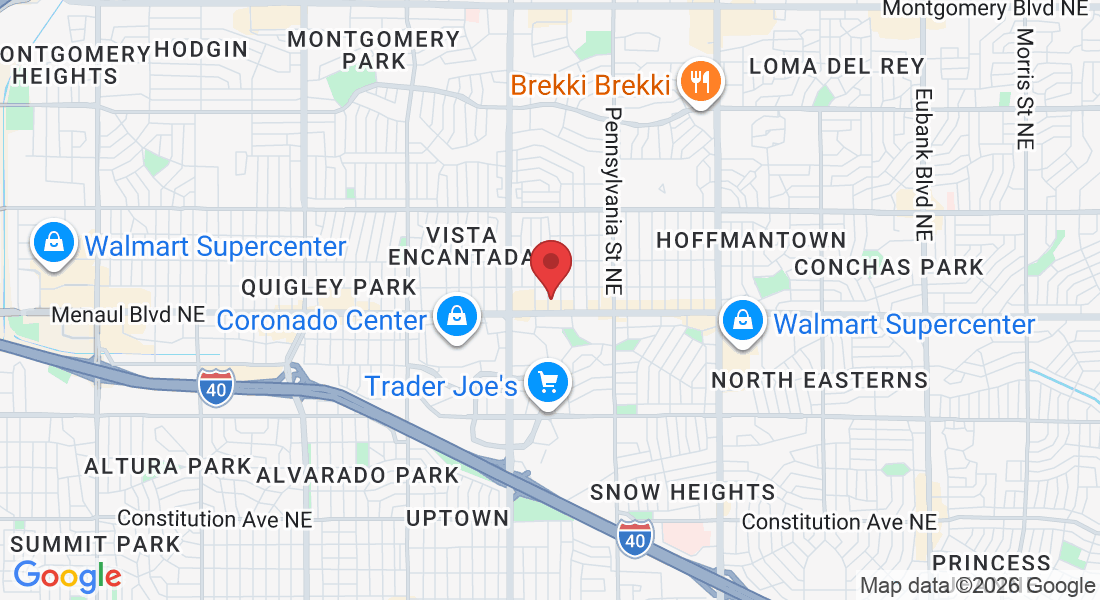
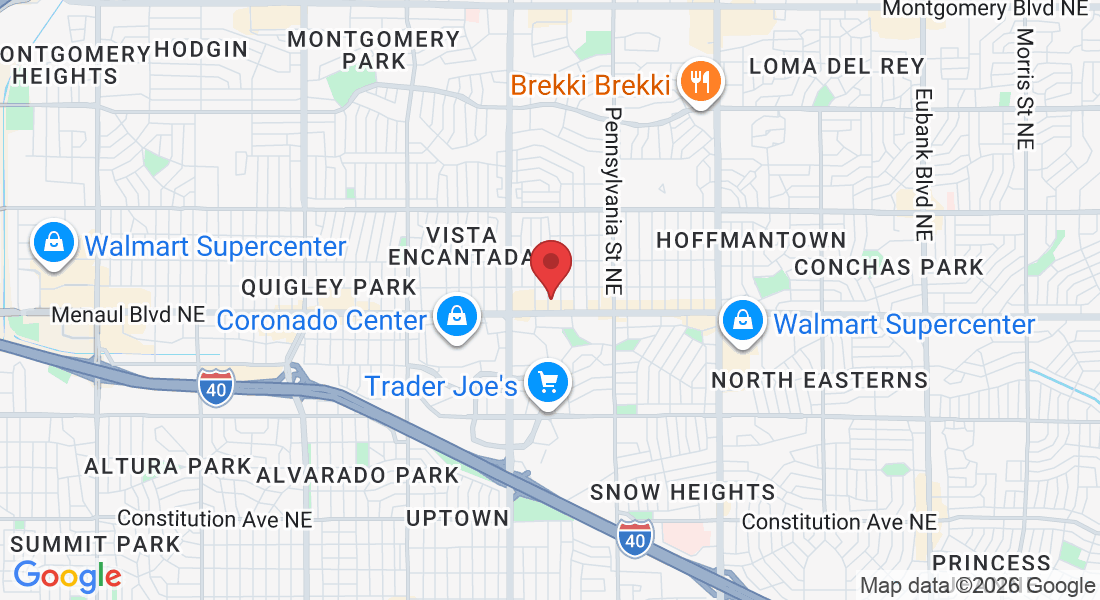
In-person location: 2616 Mesilla St NE, Albuquerque, NM 87110 (near Uptown, easy access from I-40 and I-25).
Online sessions: Available for couples both located in New Mexico via secure HIPAA-compliant telehealth. Online couples work is very effective and can be especially helpful for couples with childcare or scheduling constraints.
Introduction
You Both Deserve to Feel Heard
You know the feeling: the same argument, the same tone of voice, ending the same way. Or the opposite — no arguments at all, just a distance you can't quite name. Sex is different. Weekends feel like managing logistics with a roommate. You catch yourself editing what you say to avoid setting them off, or feeling like they've stopped really listening to you.
You've probably tried the obvious things. Date nights that felt forced. Books you started and didn't finish. Well-meaning advice from friends and family that didn't quite fit. What you're describing usually isn't something couples can logic their way through alone — because the patterns are older than either of you realize, and they run deeper than most communication tips reach.
That's what couples counseling is for. At Rise Above Therapy, our therapists are trained in evidence-based approaches specifically for relationships — including Emotionally Focused Therapy (EFT), which has the strongest research base for helping couples reconnect. We work with couples in every stage: dating, engaged, newly married, long-married, blended, and in crisis. Whether you're trying to save a relationship, strengthen a healthy one, or figure out what to do next — we can help.
Common Reasons Couples Seek Counseling
What It Looks Like When a Relationship Needs Support
Couples don't usually come in because of one dramatic event — most come in because of quiet patterns that have built up over years. Some of the most common presentations we hear:
The Argument That Keeps Happening
Same fight, different day. You could recite each other's lines. It might start over something small — the dishwasher, the calendar, a look — and end in the same place: hurt, disconnected, and no closer to solving anything. You've tried to talk about it a dozen times and it never actually resolves.
The Growing Distance
Not fighting, exactly. Just... quiet. You share a house, a bed, a life — but not much of each other anymore. Conversation is mostly logistics. You've stopped reaching for their hand or asking about their day in a real way. You wonder if they've noticed, or if they even care.
The Trust You're Not Sure You Have
Something happened — an affair, a betrayal, a lie, a broken promise — or a slow accumulation of small things. Even when they're doing everything right now, you can't quite let your guard down. You check their phone or hate that you want to. They feel like they can never do enough to earn back what was lost.
The Roommate Feeling
You're partners in raising kids, running a household, managing family logistics — and that's about it. Physical intimacy has faded or feels like an obligation. Emotional intimacy feels like a luxury you can't remember how to access. You wonder if this is just what long-term relationships become.
The Silent Resentment
You don't say the things you're actually thinking. Small irritations pile up because bringing them up feels like starting a fight. Then one day something small triggers a disproportionate reaction and you're both blindsided by how much was underneath it.
The Uncertainty About the Future
One of you is ready to leave. Or both of you are. Or neither of you knows what you want. You're not sure if you should try harder, try differently, or try to end things kindly. You need help making a decision instead of just staying stuck.
Situations We Help Couples Work Through
Couples come to us at many different stages and for many different reasons. Some of what we work with:
Communication and Conflict Patterns
-Circular arguments that never resolve
-One partner shuts down while the other pursues
-Escalating conflict that leaves both feeling worse
-Difficulty being heard without becoming defensive
-Learning to fight fair — and to repair after conflict
Trust and Betrayal
-Recovering from an affair (emotional or physical)
-Financial infidelity
-Broken agreements or repeated lying
-Rebuilding trust after a serious breach — or navigating whether it can be rebuilt
-Loss of trust from long-term unmet needs
Intimacy and Connection
-Feeling more like roommates than partners
-Differences in sexual desire or expression
-Physical intimacy that feels obligatory
-Emotional distance that has crept in over years
-Reconnecting after a period of prioritizing kids, work, or crisis
Life Transitions
-Newly cohabiting or married
-Becoming parents (or trying to)
-Postpartum stress on the relationship
-Job loss, career change, or major move
-Empty nest, retirement, aging parents
-Any transition that shifted the balance of your relationship
Blended Family and Parenting
-Blended family dynamics (step-parenting, ex-partners, co-parenting)
-Parenting disagreements about discipline, screens, education
-Feeling like a team about parenting again
-Navigating adult children or in-laws
Trauma Impact on Relationships
-One partner's trauma affecting the relationship
-Trauma responses (shutdown, hypervigilance, anger) that get misread as personal
-Attachment wounds from earlier life showing up between you
-Rebuilding safety after relationship trauma
Discernment Counseling
When one partner is leaning out and the other is leaning in — and neither of you is sure whether to fully commit to therapy or to separation. Discernment counseling is a structured, short-term (up to 5 sessions) format specifically for couples in this "should we or shouldn't we" moment.
How We Approach Couples Work
Couples therapy is different from individual therapy. It requires specific training in relationship systems, not just talking to two people at once. Our therapists use evidence-based couples-specific modalities:
Emotionally Focused Therapy (EFT)
The most well-researched couples therapy in existence — with studies showing roughly 70-75% of couples recover from relationship distress. EFT helps you understand the emotional patterns underneath your conflicts (the pursue-withdraw cycle, the criticize-defend cycle) and rebuild the emotional bond that makes a relationship feel safe. Most effective for couples where connection has faded or conflict has become circular.
Gottman Method
Based on Dr. John Gottman's 40+ years of research on what makes marriages work. Uses specific tools for managing conflict, deepening friendship, and creating shared meaning. Especially effective for couples who want practical, skills-based tools.
Cognitive Behavioral Couples Therapy (CBCT)
Helps identify and change the thought patterns and behaviors that drive relationship distress. Useful for couples dealing with specific behavioral patterns (like criticism, withdrawal, or reactive anger) that both partners want to change.
Trauma-Informed Couples Therapy
When one or both partners bring trauma histories into the relationship, standard couples therapy often isn't enough. Trauma-informed couples work addresses how past experiences shape current relational patterns — including attachment wounds, hypervigilance, or shutdown responses that get misread as being about the partner.
Discernment Counseling
A specific, short-term (up to 5 sessions) protocol for couples where one partner is considering leaving. Goal is not to save the marriage — it's to help both partners get clarity about the right path forward.
Communication Skills and Conflict Resolution
For couples who need concrete, learnable tools for the day-to-day: how to bring up hard topics without triggering defensiveness, how to repair after conflict, how to hear each other without shutting down. Often woven into other approaches.

Why Choose Rise Above Therapy for Couples
-Therapists specifically trained in couples/relationship modalities (not just individual therapists who "also see couples")
-EFT-trained clinicians on staff
-Multiple evidence-based approaches so we can match the work to your specific situation
-Full range: dating, engaged, newly married, long-married, blended, LGBTQ+, and couples in crisis
-Both in-person (Albuquerque) and online (statewide NM) available
-Warm, nonjudgmental, and neutral — we don't take sides
-Trauma-informed approach for couples where past experiences are affecting present dynamics
-Convenient Uptown Albuquerque location
serving Rio Rancho, Northeast Heights, Nob Hill, and surrounding areas
Why Choose Rise Above Therapy for Couples
-Therapists specifically trained in couples/relationship modalities (not just individual therapists who "also see couples")
-EFT-trained clinicians on staff
-Multiple evidence-based approaches so we can match the work to your specific situation
-Full range: dating, engaged, newly married, long-married, blended, LGBTQ+, and couples in crisis
-Both in-person (Albuquerque) and online (statewide NM) available
-Warm, nonjudgmental, and neutral — we don't take sides
-Trauma-informed approach for couples where past experiences are affecting present dynamics
-Convenient Uptown Albuquerque location
serving Rio Rancho, Northeast Heights, Nob Hill, and surrounding areas
Frequently Asked Questions About Couples Counseling
When should we consider couples counseling?
There's no wrong time — but earlier is easier than later. If you're stuck in the same arguments, feeling more disconnected than connected, dealing with a specific rupture like a betrayal, or considering separation, therapy can help. Many couples come in preventively (before or early in marriage) to build skills; many come in when they're deeply struggling. Both are valid.
What if only one of us wants to go?
Common — and workable. Often one partner is more relationship-focused (or more distressed) and initiates. That partner can start with individual therapy focused on the relationship, and often the hesitant partner joins once they see it's not a court where they'll be judged. If your partner is completely unwilling, we can still work with you individually on your side of the dynamic.
Will you take sides?
No. A couples therapist's job is to be genuinely neutral — supporting both partners while calling out patterns that aren't working. If you feel your therapist is taking sides, tell them. Sometimes it's a misread; sometimes it's an important thing to name and adjust.
Is our situation too far gone to fix?
Rarely. Most couples who come in believing they're "beyond help" turn out not to be — even after affairs, long-term distance, or serious breaches of trust. That said, therapy isn't magic. Some couples do come to the honest conclusion that separating is the right path. When that happens, couples therapy can help you do it with less damage — especially if kids are involved.
How long does couples counseling usually take?
Most couples do 12-20 sessions over 4-6 months, though some wrap up sooner and some continue longer. Discernment counseling is capped at 5 sessions. Affair recovery often takes longer (6-12 months). We check in regularly about progress and adjust as needed.
Do you offer premarital counseling?
Yes. Premarital counseling is structured work before marriage to build communication, conflict-repair, and shared-vision skills. It's one of the highest-ROI investments couples make.
Can couples counseling help after infidelity?
Yes. Affair recovery is one of the most common reasons couples seek therapy. It's a specific kind of work — not just standard couples therapy — that involves processing the hurt, understanding what happened and why, and rebuilding trust (or making an informed decision about the relationship). It typically takes 6-12 months of consistent work.
Does insurance cover couples counseling?
Sometimes. Many insurance plans don't cover couples therapy as a standalone service because "relationship problems" isn't a covered mental-health diagnosis. Some plans will cover it when one partner has an underlying condition being treated. Call us at (505) 588-7571 with your insurance card and we can help you understand what's covered.
Do you offer online couples counseling in New Mexico?
Yes. We offer secure online sessions to couples where both partners are located in New Mexico. Online couples work is very effective and often more convenient than coordinating both partners' schedules for an in-person session.
What if there's something one of us doesn't want to talk about in front of the other?
Bring it up with your therapist. Some concerns get discussed openly, some get addressed differently. Note that most couples therapists have a "no secrets" policy about ongoing affairs or other things that fundamentally affect the couple — the therapist won't hold information that would undermine the couples work. Your therapist will explain their specific approach.
Frequently Asked Questions About Couples Counseling
When should we consider couples counseling?
There's no wrong time — but earlier is easier than later. If you're stuck in the same arguments, feeling more disconnected than connected, dealing with a specific rupture like a betrayal, or considering separation, therapy can help. Many couples come in preventively (before or early in marriage) to build skills; many come in when they're deeply struggling. Both are valid.
What if only one of us wants to go?
Common — and workable. Often one partner is more relationship-focused (or more distressed) and initiates. That partner can start with individual therapy focused on the relationship, and often the hesitant partner joins once they see it's not a court where they'll be judged. If your partner is completely unwilling, we can still work with you individually on your side of the dynamic.
Will you take sides?
No. A couples therapist's job is to be genuinely neutral — supporting both partners while calling out patterns that aren't working. If you feel your therapist is taking sides, tell them. Sometimes it's a misread; sometimes it's an important thing to name and adjust.
Is our situation too far gone to fix?
Rarely. Most couples who come in believing they're "beyond help" turn out not to be — even after affairs, long-term distance, or serious breaches of trust. That said, therapy isn't magic. Some couples do come to the honest conclusion that separating is the right path. When that happens, couples therapy can help you do it with less damage — especially if kids are involved.
How long does couples counseling usually take?
Most couples do 12-20 sessions over 4-6 months, though some wrap up sooner and some continue longer. Discernment counseling is capped at 5 sessions. Affair recovery often takes longer (6-12 months). We check in regularly about progress and adjust as needed.
Do you offer premarital counseling?
Yes. Premarital counseling is structured work before marriage to build communication, conflict-repair, and shared-vision skills. It's one of the highest-ROI investments couples make.
Can couples counseling help after infidelity?
Yes. Affair recovery is one of the most common reasons couples seek therapy. It's a specific kind of work — not just standard couples therapy — that involves processing the hurt, understanding what happened and why, and rebuilding trust (or making an informed decision about the relationship). It typically takes 6-12 months of consistent work.
Does insurance cover couples counseling?
Sometimes. Many insurance plans don't cover couples therapy as a standalone service because "relationship problems" isn't a covered mental-health diagnosis. Some plans will cover it when one partner has an underlying condition being treated. Call us at (505) 588-7571 with your insurance card and we can help you understand what's covered.
Do you offer online couples counseling in New Mexico?
Yes. We offer secure online sessions to couples where both partners are located in New Mexico. Online couples work is very effective and often more convenient than coordinating both partners' schedules for an in-person session.
What if there's something one of us doesn't want to talk about in front of the other?
Bring it up with your therapist. Some concerns get discussed openly, some get addressed differently. Note that most couples therapists have a "no secrets" policy about ongoing affairs or other things that fundamentally affect the couple — the therapist won't hold information that would undermine the couples work. Your therapist will explain their specific approach.
Ready to Start?
Wherever your relationship is right now — struggling, distant, in crisis, or just wanting to be stronger — we can help you figure out the path forward.
Call (505) 588-7571 or book a free 15-minute consultation online. We'll match you with a couples therapist who fits your situation.
Ready to Start?
Wherever your relationship is right now — struggling, distant, in crisis, or just wanting to be stronger — we can help you figure out the path forward.
Call (505) 588-7571 or book a free 15-minute consultation online. We'll match you with a couples therapist who fits your situation.