Teen Therapy in Albuquerque, NM
If your teen is struggling — and you're not sure how to help — you're in the right place. Compassionate, evidence-based teen therapy in Albuquerque and online throughout New Mexico, meeting adolescents where they are.
Most Insurances Accepted

Teen Therapy in Albuquerque, NM
If your teen is struggling — and you're not sure how to help — you're in the right place. Compassionate, evidence-based teen therapy in Albuquerque and online throughout New Mexico, meeting adolescents where they are.
Most Insurances Accepted
Introduction - Meeting Your Teen Where They Are
If you're reading this, you're probably worried. Something is off with your teenager — the moods, the withdrawal, the anger, the not sleeping, the friends you don't recognize, the grades that started slipping. Or maybe you had a scarier conversation than you were prepared for. You've tried talking. You've asked what's wrong. You've maybe even tried therapy before and it didn't stick. And you're wondering if you're the problem, if this is normal, or if something needs to change.
You're not alone, and you're not wrong to be paying attention.
The teenage years are a specific developmental stage — a period of rapid brain change, identity formation, and increasing independence — that even healthy teens navigate with difficulty. When adolescence collides with anxiety, depression, trauma, social pressure, family conflict, academic stress, or the specific pressures of growing up in a hyper-connected 2020s world, it can feel like your child has become someone you don't quite recognize.
At Rise Above Therapy, our therapists specialize in adolescent development. We don't just do "adult therapy in smaller sessions." We use approaches designed specifically for teens — DBT skills, trauma-informed care, family involvement when appropriate, and a relationship built on your teen's terms.
And a note if you're the teen reading this: you might have found this page because a parent showed it to you, or because you searched for yourself. Either way — therapy is not a punishment. It's not a place where you get lectured or labeled. It's a place where an actual adult listens without judgment and helps you build tools for whatever you're dealing with. You get to have a say in what we work on. You don't have to talk about anything you don't want to. And your therapist is on your team.
What Struggling Teens Look Like
Teens often communicate distress through behavior more than words. Some of the most common patterns parents notice — and teens themselves recognize:
The Withdrawn Teen
Used to talk. Now barely talks. Answers questions with one word or a shrug. Spends most of their time in their room. Has stopped inviting you into their life. You don't know what they're feeling anymore — and neither, sometimes, do they.
The Anxious Teen
Constant worry that runs on a loop. Physical complaints — stomach aches, headaches, tension. Panic attacks (which many teens don't have language for and describe as "I feel like I can't breathe"). Avoiding school, social situations, or specific triggers. Trouble sleeping. Perfectionism that spirals into meltdown when things aren't perfect.
The Angry Teen
Explosive reactions to small things. Doors slamming. Verbal hostility that surprises everyone including them. Anger that feels bigger than the situation. Sometimes anger is easier for teens to access than sadness — and it often masks anxiety, hurt, or shame underneath.
The Sad Teen
Loss of interest in things they used to love. Grades dropping. Sleeping too much or not enough. Withdrawing from friends. Statements like "I don't care" or "what's the point." Sometimes tearful, sometimes just flat.
The Overwhelmed High-Performer
Straight A's, but panic before every test. Multiple activities but no downtime. Tears over a B. Comparing themselves constantly to peers and coming up short. Perfectionism that looks like success from the outside and feels like drowning from the inside.
The Teen You Don't Recognize
Sudden personality shift. New friend group you don't know. Secrecy about phone, whereabouts, or plans. Risk-taking that seems out of character. Substances, sneaking out, or behavior that alarms you. This can signal many things — trauma, identity questions, mental health struggles, or normal individuation happening in unhealthy ways.

What Teen Therapy Can Help With
Teens come to us with many different concerns. Our therapists work with:
Mental Health Concerns
-Anxiety (generalized, social, panic, phobias, school anxiety)
-Depression and mood struggles
-ADHD-related challenges
-Obsessive-compulsive patterns
-Eating and body image concerns
-Self-harm and safety concerns
-Trauma and PTSD
Life Circumstances
-Academic stress and school refusal
-Bullying (traditional and online)
-Peer conflict and social difficulties
-Family conflict, divorce, blended-family adjustment
-Grief and loss (including loss of a friend, parent, or pet)
-Identity exploration (gender, sexuality, cultural identity)
-Adjustment to major life changes
Behavioral Concerns
-Anger management
-Emotional dysregulation
-Substance experimentation or use
-Risk-taking behavior
-Social media and screen-time struggles
-Sleep disruption
Skills and Growth
-Communication skills
-Emotional literacy (naming and understanding feelings)
-Distress tolerance
-Building healthy relationships
-Self-esteem and identity

How We Work With Teens
Teens aren't small adults — they need approaches designed for their developmental stage. Our therapists use evidence-based modalities specifically adapted for adolescents:
Dialectical Behavior Therapy for Adolescents (DBT-A)
The gold-standard approach for teens struggling with intense emotions, self-harm urges, or emotional dysregulation. Teaches specific, learnable skills for tolerating distress, regulating emotions, being effective in relationships, and staying present. Often includes both individual and skills-group formats.
Cognitive Behavioral Therapy (CBT)
Well-researched for teen anxiety and depression. Helps teens identify unhelpful thought patterns, test them against reality, and build coping strategies. Especially useful for anxiety disorders, panic, phobias, and depression.
Trauma-Focused CBT (TF-CBT)
Specifically developed for children and teens who've experienced trauma. Combines trauma processing with coping-skill building in an age-appropriate format. Often involves parents in specific ways.
Family Involvement and Family Therapy
When appropriate, we bring parents (and sometimes siblings) into portions of the work. Not to blame anyone — but because teens exist inside family systems, and shifts at the family level often accelerate a teen's individual progress. Our therapists coordinate family work carefully so it strengthens rather than disrupts your teen's individual therapy relationship.
Motivational Interviewing
Especially useful for teens who arrived at therapy because a parent said so and aren't sure they want to be there. MI is a specific, evidence-based approach for meeting resistance with curiosity, exploring ambivalence, and helping teens find their own reasons to engage.
EMDR for Teens
When trauma is at the root, EMDR can be highly effective for adolescents. It doesn't require detailed verbal narration of traumatic events, which teens often prefer. Learn more about our EMDR therapy in Albuquerque.
Trauma-Informed Care (Underlying Approach)
Every therapist at Rise Above works from a trauma-informed lens — recognizing that many teen behaviors that look like "attitude" or "acting out" are actually trauma responses. We move at your teen's pace and prioritize safety, choice, and collaboration.
What About Confidentiality?
This is one of the biggest questions parents (and teens) ask — and it deserves a straight answer.
In teen therapy, most of what your teen shares with their therapist stays between them. This is both an ethical requirement (teens need to trust their therapist to speak honestly) and a practical one (therapy doesn't work if the client is worried about being reported on).
However, there are specific situations where the therapist is legally required to share information:
-Active plans to harm themselves
-Active plans to harm someone else
-Ongoing abuse of a child, elderly person, or vulnerable adult
-A court order requiring disclosure
In practice, this means:
-If your teen is dealing with anxiety, depression, family conflict, identity questions, substance experimentation, relationship issues, or most other topics — your therapist won't share the details of those conversations with you
-Your teen's therapist will usually share broad themes and progress with you at regular check-in points, without sharing specific content
-If there's a safety concern, your therapist will loop you in immediately
For parents: we know it can be hard to not know exactly what's being discussed. This confidentiality isn't about keeping you out — it's about creating the conditions where your teen will actually engage honestly. The alternative (a therapist who reports everything to parents) results in teens who share nothing and get no benefit.
For teens: your therapist works for you, not your parents. They cannot and will not tell your parents what you talk about, except in the specific safety situations above. If you're worried about something specific being shared, ask your therapist directly — they'll tell you the honest answer.
Who We Work With
Pre Teens/Early Teens (6-14)
The transition into middle school and early adolescence brings major changes — new social pressures, hormonal shifts, identity questions, and increasing independence from parents. Our approach with early teens is often more concrete and skills-based, with more family involvement.
Middle Teens (15-17)
The core high school years. Academic pressure, dating, identity exploration, driving, college prep, and the growing tension between independence and parental oversight. Middle teens usually benefit from more individually-focused therapy with lighter family involvement.
Late Teens (18-19)
Legally adults but often still living at home, still in high school or early college. This transitional period brings specific challenges — launching into adulthood, first serious relationships, mental health issues that often emerge in late adolescence.
Note for parents of younger children
If your child is under 12, we may still be able to help — or we can refer you to a colleague who specializes in child therapy. Call us to discuss the right fit.
What Teen Therapy Actually Looks Like
Your first call (15 minutes, free). Usually with a parent, sometimes with the teen. We ask about what's going on, match you with a therapist based on your teen's specific needs, and answer any questions before scheduling.
Session 1 (60 minutes, usually parent + teen). The first session is often a combined session so everyone can meet the therapist together, discuss what's been happening, and agree on goals. Some teens prefer to meet the therapist alone first — that's fine too.
Sessions 2-4 (Relationship Building). Individual sessions with the teen. The focus is on your teen and their therapist building the working relationship that everything else depends on. Not much "work" happens yet — because trust has to come first. Teens who don't trust their therapist don't share the real stuff.
Sessions 5-15 (Core Work). Once trust is in place, real work begins — learning skills, processing what's been going on, addressing the specific concerns that brought your teen in. Many teens notice meaningful shifts in this phase.
Beyond. Some teens finish therapy in 4-6 months feeling significantly better. Others (especially those working through trauma or complex family dynamics) continue longer. We check in regularly about progress and never keep a teen in therapy longer than helpful.
Family check-ins. Every 4-6 weeks (or as needed), the therapist may include a parent check-in to discuss themes, progress, and any parenting support the parent needs — without breaking teen confidentiality.
Insurance, Cost, and Logistics
Insurance we accept: Blue Cross Blue Shield of New Mexico, Presbyterian, UnitedHealthcare Medicaid & Commercial Plans. Most plans cover teen therapy when there's a diagnosable mental health condition being addressed.
Self-pay rates: Contact our team for current self-pay rates.
Session length: 50-60 minutes for individual teen therapy. Family sessions may run longer.
Frequency: Most teens start with weekly sessions and taper as they progress.
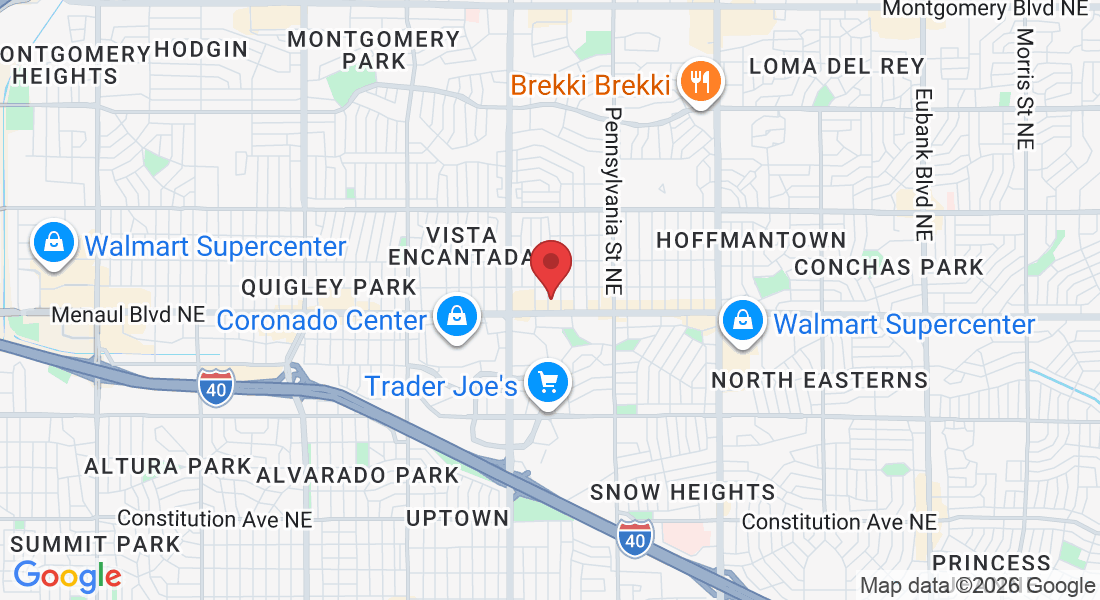
In-person location: 2616 Mesilla St NE, Albuquerque, NM 87110 (near Uptown, easy access from I-40 and I-25).
Online sessions: Available for teens located in New Mexico via secure HIPAA-compliant telehealth. Some teens prefer online — being in their own room can feel more comfortable — while others do better in person. We help you decide what fits.
Introduction
Meeting Your Teen Where They Are
If you're reading this, you're probably worried. Something is off with your teenager — the moods, the withdrawal, the anger, the not sleeping, the friends you don't recognize, the grades that started slipping. Or maybe you had a scarier conversation than you were prepared for. You've tried talking. You've asked what's wrong. You've maybe even tried therapy before and it didn't stick. And you're wondering if you're the problem, if this is normal, or if something needs to change.
You're not alone, and you're not wrong to be paying attention.
The teenage years are a specific developmental stage — a period of rapid brain change, identity formation, and increasing independence — that even healthy teens navigate with difficulty. When adolescence collides with anxiety, depression, trauma, social pressure, family conflict, academic stress, or the specific pressures of growing up in a hyper-connected 2020s world, it can feel like your child has become someone you don't quite recognize.
At Rise Above Therapy, our therapists specialize in adolescent development. We don't just do "adult therapy in smaller sessions." We use approaches designed specifically for teens — DBT skills, trauma-informed care, family involvement when appropriate, and a relationship built on your teen's terms.
And a note if you're the teen reading this: you might have found this page because a parent showed it to you, or because you searched for yourself. Either way — therapy is not a punishment. It's not a place where you get lectured or labeled. It's a place where an actual adult listens without judgment and helps you build tools for whatever you're dealing with. You get to have a say in what we work on. You don't have to talk about anything you don't want to. And your therapist is on your team.
What Struggling Teens Look Like
Teens often communicate distress through behavior more than words. Some of the most common patterns parents notice — and teens themselves recognize:
The Withdrawn Teen
Used to talk. Now barely talks. Answers questions with one word or a shrug. Spends most of their time in their room. Has stopped inviting you into their life. You don't know what they're feeling anymore — and neither, sometimes, do they.
The Anxious Teen
Constant worry that runs on a loop. Physical complaints — stomach aches, headaches, tension. Panic attacks (which many teens don't have language for and describe as "I feel like I can't breathe"). Avoiding school, social situations, or specific triggers. Trouble sleeping. Perfectionism that spirals into meltdown when things aren't perfect.
The Angry Teen
Explosive reactions to small things. Doors slamming. Verbal hostility that surprises everyone including them. Anger that feels bigger than the situation. Sometimes anger is easier for teens to access than sadness — and it often masks anxiety, hurt, or shame underneath.
The Sad Teen
Loss of interest in things they used to love. Grades dropping. Sleeping too much or not enough. Withdrawing from friends. Statements like "I don't care" or "what's the point." Sometimes tearful, sometimes just flat.
The Overwhelmed High-Performer
Straight A's, but panic before every test. Multiple activities but no downtime. Tears over a B. Comparing themselves constantly to peers and coming up short. Perfectionism that looks like success from the outside and feels like drowning from the inside.
The Teen You Don't Recognize
Sudden personality shift. New friend group you don't know. Secrecy about phone, whereabouts, or plans. Risk-taking that seems out of character. Substances, sneaking out, or behavior that alarms you. This can signal many things — trauma, identity questions, mental health struggles, or normal individuation happening in unhealthy ways.
What Teen Therapy Can Help With
Teens come to us with many different concerns. Our therapists work with:
Mental Health Concerns
-Anxiety (generalized, social, panic, phobias, school anxiety)
-Depression and mood struggles
-ADHD-related challenges
-Obsessive-compulsive patterns
-Eating and body image concerns
-Self-harm and safety concerns
-Trauma and PTSD
Life Circumstances
-Academic stress and school refusal
-Bullying (traditional and online)
-Peer conflict and social difficulties
-Family conflict, divorce, blended-family adjustment
-Grief and loss (including loss of a friend, parent, or pet)
-Identity exploration (gender, sexuality, cultural identity)
-Adjustment to major life changes
Behavioral Concerns
-Anger management
-Emotional dysregulation
-Substance experimentation or use
-Risk-taking behavior
-Social media and screen-time struggles
-Sleep disruption
Skills and Growth
-Communication skills
-Emotional literacy (naming and understanding feelings)
-Distress tolerance
-Building healthy relationships
-Self-esteem and identity
How We Work With Teens
Teens aren't small adults — they need approaches designed for their developmental stage. Our therapists use evidence-based modalities specifically adapted for adolescents:
Dialectical Behavior Therapy for Adolescents (DBT-A)
The gold-standard approach for teens struggling with intense emotions, self-harm urges, or emotional dysregulation. Teaches specific, learnable skills for tolerating distress, regulating emotions, being effective in relationships, and staying present. Often includes both individual and skills-group formats.
Cognitive Behavioral Therapy (CBT)
Well-researched for teen anxiety and depression. Helps teens identify unhelpful thought patterns, test them against reality, and build coping strategies. Especially useful for anxiety disorders, panic, phobias, and depression.
Trauma-Focused CBT (TF-CBT)
Specifically developed for children and teens who've experienced trauma. Combines trauma processing with coping-skill building in an age-appropriate format. Often involves parents in specific ways.
Family Involvement and Family Therapy
When appropriate, we bring parents (and sometimes siblings) into portions of the work. Not to blame anyone — but because teens exist inside family systems, and shifts at the family level often accelerate a teen's individual progress. Our therapists coordinate family work carefully so it strengthens rather than disrupts your teen's individual therapy relationship.
Motivational Interviewing
Especially useful for teens who arrived at therapy because a parent said so and aren't sure they want to be there. MI is a specific, evidence-based approach for meeting resistance with curiosity, exploring ambivalence, and helping teens find their own reasons to engage.
EMDR for Teens
When trauma is at the root, EMDR can be highly effective for adolescents. It doesn't require detailed verbal narration of traumatic events, which teens often prefer. Learn more about our EMDR therapy in Albuquerque.
Trauma-Informed Care (Underlying Approach)
Every therapist at Rise Above works from a trauma-informed lens — recognizing that many teen behaviors that look like "attitude" or "acting out" are actually trauma responses. We move at your teen's pace and prioritize safety, choice, and collaboration.
What About Confidentiality?
This is one of the biggest questions parents (and teens) ask — and it deserves a straight answer.
In teen therapy, most of what your teen shares with their therapist stays between them. This is both an ethical requirement (teens need to trust their therapist to speak honestly) and a practical one (therapy doesn't work if the client is worried about being reported on).
However, there are specific situations where the therapist is legally required to share information:
-Active plans to harm themselves
-Active plans to harm someone else
-Ongoing abuse of a child, elderly person, or vulnerable adult
-A court order requiring disclosure
In practice, this means:
-If your teen is dealing with anxiety, depression, family conflict, identity questions, substance experimentation, relationship issues, or most other topics — your therapist won't share the details of those conversations with you
-Your teen's therapist will usually share broad themes and progress with you at regular check-in points, without sharing specific content
-If there's a safety concern, your therapist will loop you in immediately
For parents: we know it can be hard to not know exactly what's being discussed. This confidentiality isn't about keeping you out — it's about creating the conditions where your teen will actually engage honestly. The alternative (a therapist who reports everything to parents) results in teens who share nothing and get no benefit.
For teens: your therapist works for you, not your parents. They cannot and will not tell your parents what you talk about, except in the specific safety situations above. If you're worried about something specific being shared, ask your therapist directly — they'll tell you the honest answer.
Who We Work With
Pre Teens/Early Teens (6-14)
The transition into middle school and early adolescence brings major changes — new social pressures, hormonal shifts, identity questions, and increasing independence from parents. Our approach with early teens is often more concrete and skills-based, with more family involvement.
Middle Teens (15-17)
The core high school years. Academic pressure, dating, identity exploration, driving, college prep, and the growing tension between independence and parental oversight. Middle teens usually benefit from more individually-focused therapy with lighter family involvement.
Late Teens (18-19)
Legally adults but often still living at home, still in high school or early college. This transitional period brings specific challenges — launching into adulthood, first serious relationships, mental health issues that often emerge in late adolescence.
Note for parents of younger children
If your child is under 12, we may still be able to help — or we can refer you to a colleague who specializes in child therapy. Call us to discuss the right fit.
What Teen Therapy Actually Looks Like
Your first call (15 minutes, free). Usually with a parent, sometimes with the teen. We ask about what's going on, match you with a therapist based on your teen's specific needs, and answer any questions before scheduling.
Session 1 (60 minutes, usually parent + teen). The first session is often a combined session so everyone can meet the therapist together, discuss what's been happening, and agree on goals. Some teens prefer to meet the therapist alone first — that's fine too.
Sessions 2-4 (Relationship Building). Individual sessions with the teen. The focus is on your teen and their therapist building the working relationship that everything else depends on. Not much "work" happens yet — because trust has to come first. Teens who don't trust their therapist don't share the real stuff.
Sessions 5-15 (Core Work). Once trust is in place, real work begins — learning skills, processing what's been going on, addressing the specific concerns that brought your teen in. Many teens notice meaningful shifts in this phase.
Beyond. Some teens finish therapy in 4-6 months feeling significantly better. Others (especially those working through trauma or complex family dynamics) continue longer. We check in regularly about progress and never keep a teen in therapy longer than helpful.
Family check-ins. Every 4-6 weeks (or as needed), the therapist may include a parent check-in to discuss themes, progress, and any parenting support the parent needs — without breaking teen confidentiality.
Insurance, Cost, and Logistics
Insurance we accept: Blue Cross Blue Shield of New Mexico, Presbyterian, UnitedHealthcare Medicaid & Commercial Plans. Most plans cover teen therapy when there's a diagnosable mental health condition being addressed.
Self-pay rates: Contact our team for current self-pay rates.
Session length: 50-60 minutes for individual teen therapy. Family sessions may run longer.
Frequency: Most teens start with weekly sessions and taper as they progress.
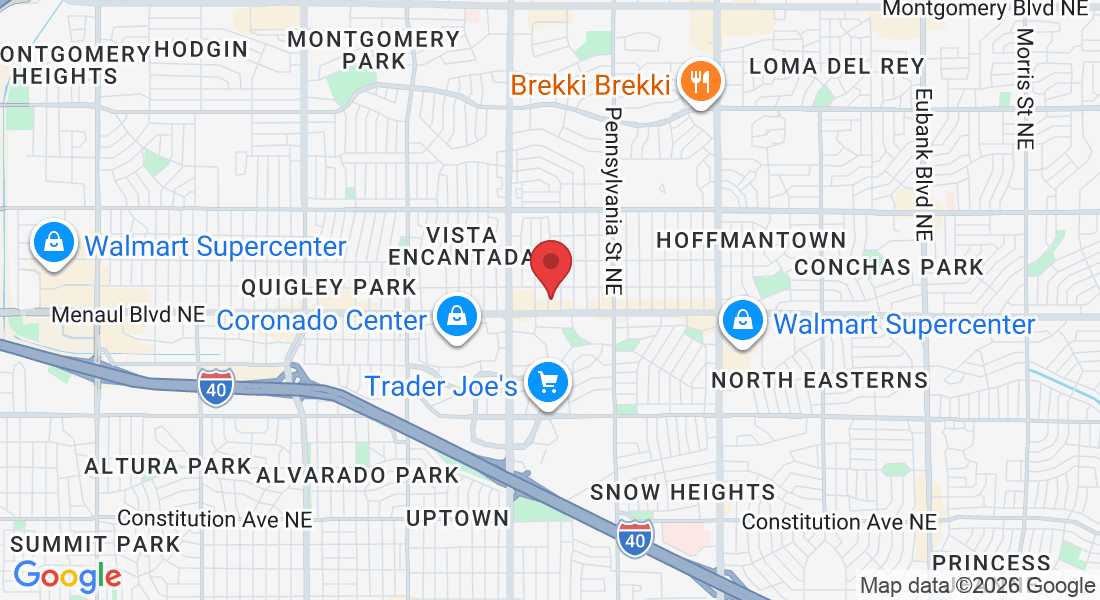
In-person location: 2616 Mesilla St NE, Albuquerque, NM 87110 (near Uptown, easy access from I-40 and I-25).
Online sessions: Available for teens located in New Mexico via secure HIPAA-compliant telehealth. Some teens prefer online — being in their own room can feel more comfortable — while others do better in person. We help you decide what fits.

Why Choose Rise Above Therapy for Teens
-Therapists specifically trained in adolescent development and teen-specific modalities (DBT-A, TF-CBT, MI)
-Multiple evidence-based approaches so we can match the work to your teen's specific needs
-Trauma-informed across the entire practice
-Family-inclusive when appropriate, without breaking teen confidentiality
-Both in-person (Albuquerque) and online (statewide NM) available
-Most major insurances accepted
-Warm, nonjudgmental, culturally responsive care
-Convenient Uptown Albuquerque location serving Rio Rancho, Northeast Heights, Nob Hill, and surrounding areas
Related specialty pages: Anxiety Therapy in Albuquerque | Trauma Therapy in Albuquerque | EMDR Therapy in Albuquerque
Why Choose Rise Above Therapy for Teens
-Therapists specifically trained in adolescent development and teen-specific modalities (DBT-A, TF-CBT, MI)
-Multiple evidence-based approaches so we can match the work to your teen's specific needs
-Trauma-informed across the entire practice
-Family-inclusive when appropriate, without breaking teen confidentiality
-Both in-person (Albuquerque) and online (statewide NM) available
-Most major insurances accepted
-Warm, nonjudgmental, culturally responsive care
-Convenient Uptown Albuquerque location serving Rio Rancho, Northeast Heights, Nob Hill, and surrounding areas
Related specialty pages: Anxiety Therapy in Albuquerque | Trauma Therapy in Albuquerque | EMDR Therapy in Albuquerque
Frequently Asked Questions About Teen Therapy
What ages do you work with?
We work with children and teens ages 6 through 18, with some flexibility for late teens transitioning into adulthood. For younger children, we can refer you to a colleague who specializes in child therapy.
What if my teen doesn't want to come to therapy?
Very common — and workable. Most teens don't arrive at therapy excited about it. Our therapists are trained in Motivational Interviewing and other approaches specifically for engaging reluctant teens. Often the resistance softens after the first session or two, once your teen realizes the therapist isn't there to lecture them or side with parents.
Will you tell me what my teen says in sessions?
Generally no — with specific exceptions for safety (see the confidentiality section above). We share broad themes and progress at regular parent check-ins, but not specific content. This confidentiality is what makes teen therapy work — teens who fear being reported on don't share honestly, and therapy without honesty doesn't help.
How involved will I be as a parent?
It depends on your teen's age and specific needs. Younger teens often benefit from more parent involvement (family sessions, coordinated communication). Older teens usually do primarily individual work with periodic parent check-ins. Your therapist will discuss the right approach with both of you.
What if my teen won't talk to the therapist?
More common than you'd think, and usually temporary. Our teen therapists don't push teens to talk — they build trust first through curiosity, humor, and meeting the teen where they are. Sometimes we use art, games, or shared activities to lower the pressure to verbalize. Most teens who "won't talk" in session 1 are talking by session 3-4.
How long does teen therapy usually take?
Most teens do 4-6 months of weekly therapy for common concerns like anxiety, depression, or family conflict. Trauma work or more complex situations often take longer (6-12 months or more). We check in regularly about progress and adjust as needed.
What if my teen needs medication?
We're therapists, not prescribers — so any medication decision would be made by a psychiatrist or your teen's pediatrician. Many teens do well with therapy alone; some benefit from a combination. If medication seems relevant, we can help coordinate with a prescriber.
What if my teen is in crisis — self-harming or having suicidal thoughts?
Call us — but if you're worried about immediate safety, don't wait for a therapy appointment. Contact 988 (the Suicide and Crisis Lifeline) or take your teen to the nearest emergency room. Once immediate safety is stabilized, we can help with ongoing treatment. Our therapists work with teens experiencing suicidal thoughts or self-harm urges as part of ongoing therapy — those aren't disqualifiers.
Do you offer online teen therapy in New Mexico?
Yes. We offer secure online sessions to teens located in New Mexico. Some teens prefer online (they can be in their own room, which feels more private); others do better in person. We help you find the right fit.
Do you accept insurance for teen therapy?
Yes. We're in-network with Blue Cross Blue Shield of New Mexico, Presbyterian, and UnitedHealthcare Medicaid and Commercial Plans. Call us at (505) 588-7571 to verify your specific plan.
Frequently Asked Questions About Teen Therapy
What ages do you work with?
We work with children and teens ages 6 through 18, with some flexibility for late teens transitioning into adulthood. For younger children, we can refer you to a colleague who specializes in child therapy.
What if my teen doesn't want to come to therapy?
Very common — and workable. Most teens don't arrive at therapy excited about it. Our therapists are trained in Motivational Interviewing and other approaches specifically for engaging reluctant teens. Often the resistance softens after the first session or two, once your teen realizes the therapist isn't there to lecture them or side with parents.
Will you tell me what my teen says in sessions?
Generally no — with specific exceptions for safety (see the confidentiality section above). We share broad themes and progress at regular parent check-ins, but not specific content. This confidentiality is what makes teen therapy work — teens who fear being reported on don't share honestly, and therapy without honesty doesn't help.
How involved will I be as a parent?
It depends on your teen's age and specific needs. Younger teens often benefit from more parent involvement (family sessions, coordinated communication). Older teens usually do primarily individual work with periodic parent check-ins. Your therapist will discuss the right approach with both of you.
What if my teen won't talk to the therapist?
More common than you'd think, and usually temporary. Our teen therapists don't push teens to talk — they build trust first through curiosity, humor, and meeting the teen where they are. Sometimes we use art, games, or shared activities to lower the pressure to verbalize. Most teens who "won't talk" in session 1 are talking by session 3-4.
How long does teen therapy usually take?
Most teens do 4-6 months of weekly therapy for common concerns like anxiety, depression, or family conflict. Trauma work or more complex situations often take longer (6-12 months or more). We check in regularly about progress and adjust as needed.
What if my teen needs medication?
We're therapists, not prescribers — so any medication decision would be made by a psychiatrist or your teen's pediatrician. Many teens do well with therapy alone; some benefit from a combination. If medication seems relevant, we can help coordinate with a prescriber.
What if my teen is in crisis — self-harming or having suicidal thoughts?
Call us — but if you're worried about immediate safety, don't wait for a therapy appointment. Contact 988 (the Suicide and Crisis Lifeline) or take your teen to the nearest emergency room. Once immediate safety is stabilized, we can help with ongoing treatment. Our therapists work with teens experiencing suicidal thoughts or self-harm urges as part of ongoing therapy — those aren't disqualifiers.
Do you offer online teen therapy in New Mexico?
Yes. We offer secure online sessions to teens located in New Mexico. Some teens prefer online (they can be in their own room, which feels more private); others do better in person. We help you find the right fit.
Do you accept insurance for teen therapy?
Yes. We're in-network with Blue Cross Blue Shield of New Mexico, Presbyterian, and UnitedHealthcare Medicaid and Commercial Plans. Call us at (505) 588-7571 to verify your specific plan.
Ready to Get Your Teen Support?
Whatever your teen is dealing with, they don't have to navigate it alone — and neither do you. Our therapists specialize in meeting teens where they are.
Call (505) 588-7571 or book a free 15-minute consultation online. We'll match your teen with a therapist who fits their specific needs and personality.
Ready to Get Your Teen Support?
Whatever your teen is dealing with, they don't have to navigate it alone — and neither do you. Our therapists specialize in meeting teens where they are.
Call (505) 588-7571 or book a free 15-minute consultation online. We'll match your teen with a therapist who fits their specific needs and personality.